

There are meals that are incredibly delicious, meals where the scenery is spectacular, and then there are the memorable ones that leves a lasting impression because it touches you on an emotional level. Naar is all of those things.
Located in the lower Himalayas in northern India, around three hours from the nearest airport, Naar is not somewhere you simply stumble upon. No the journey is very much part of the experience and you only make the effort because you have recognized its unique nature. The last 45 minutes of the drive take you through small villages, past hilltop views and along narrow, winding roads. It is a journey that makes you wonder what could possibly be waiting at the end and yes its all part of the experience as well. Once you arrive, however, you understand why it had to be this way.
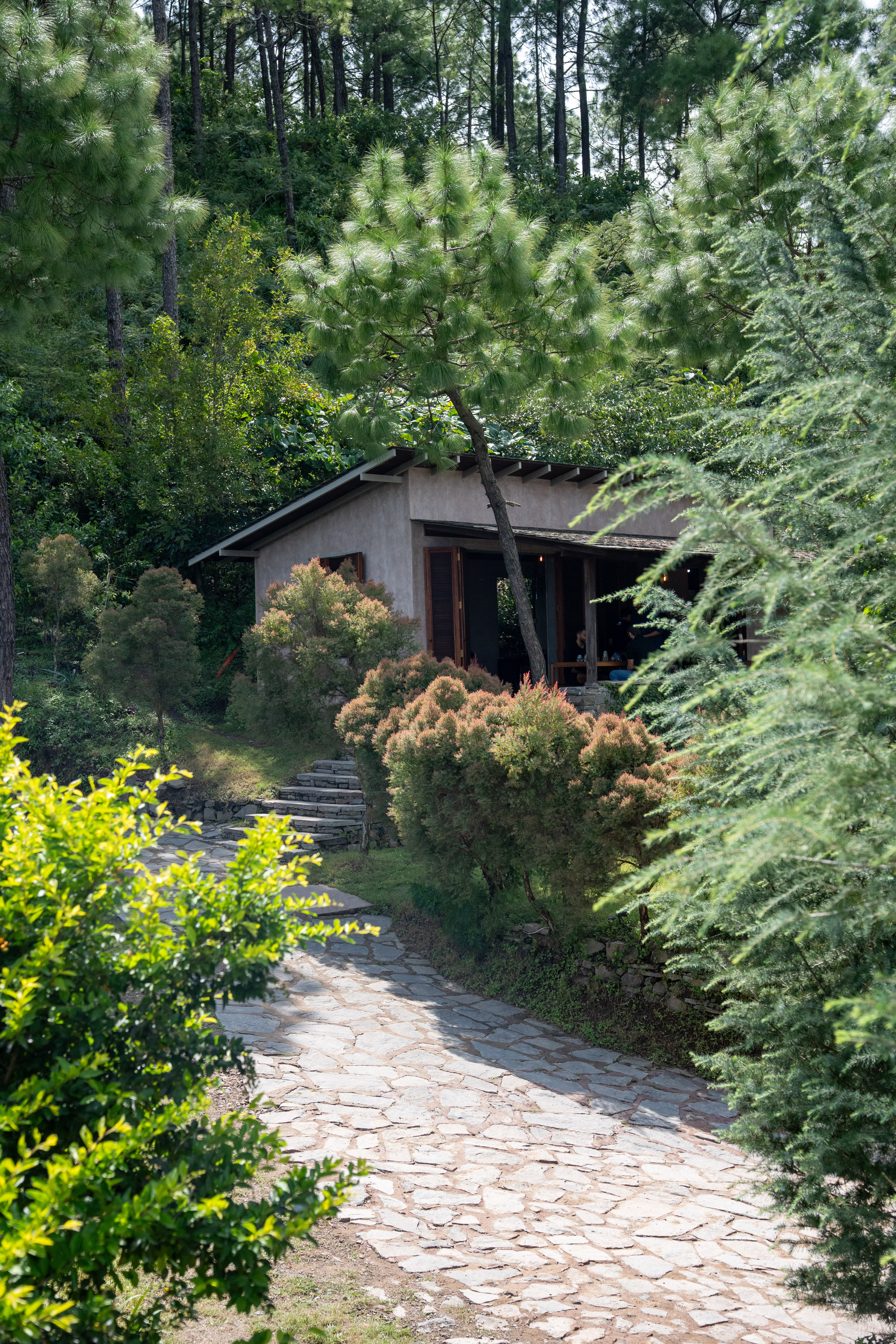
Prateek and Kamlesh, the head of R&D, greeted us by the parking lot. From there, we walked the final 100 metres to the restaurant, chatting about the herbs, vegetables and other ingredients they use in the kitchen that they have in the small garden on the hillside. It was a lovely way to begin, and a reminder that this is a restaurant deeply connected to its surroundings.
Then you actually see it, and your jaw drops.
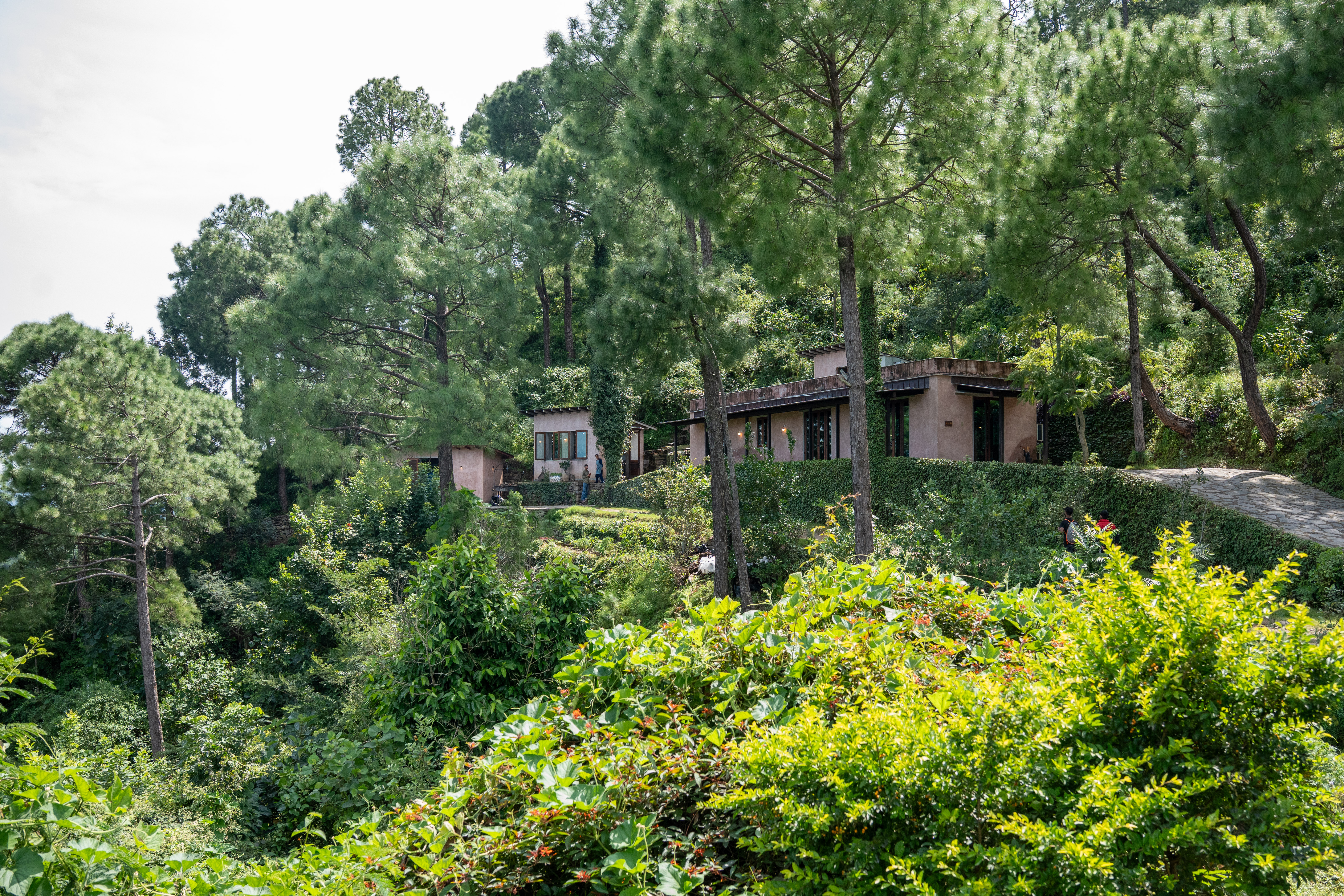
Four separate buildings make up Naar, each perfectly positioned to overlook the lush valley. They blend naturally into the landscape and, in many ways, look nothing like a conventional luxury restaurant. That is precisely what makes them so beautiful. There is no need to impose luxury on a place that already has so much to offer.
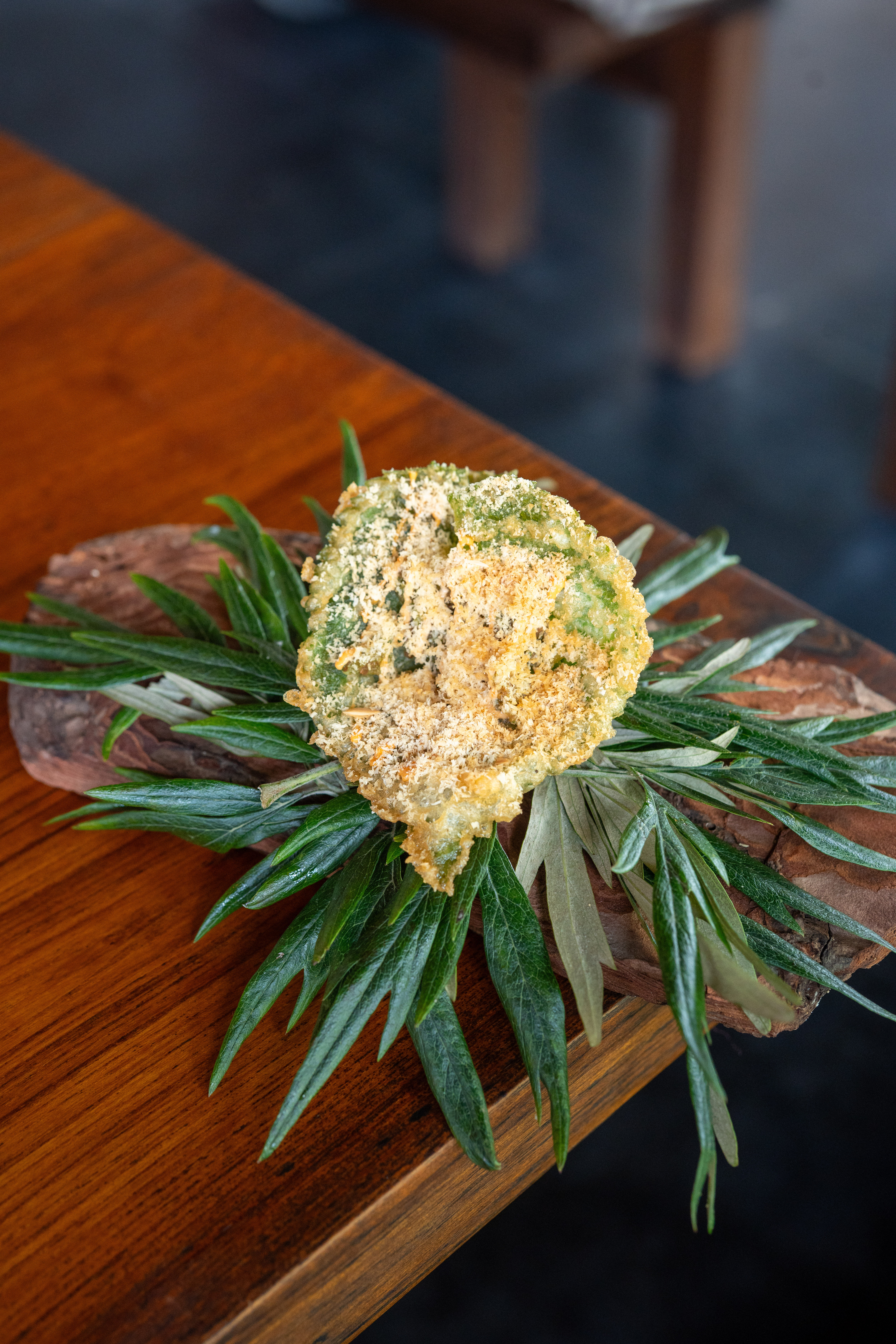
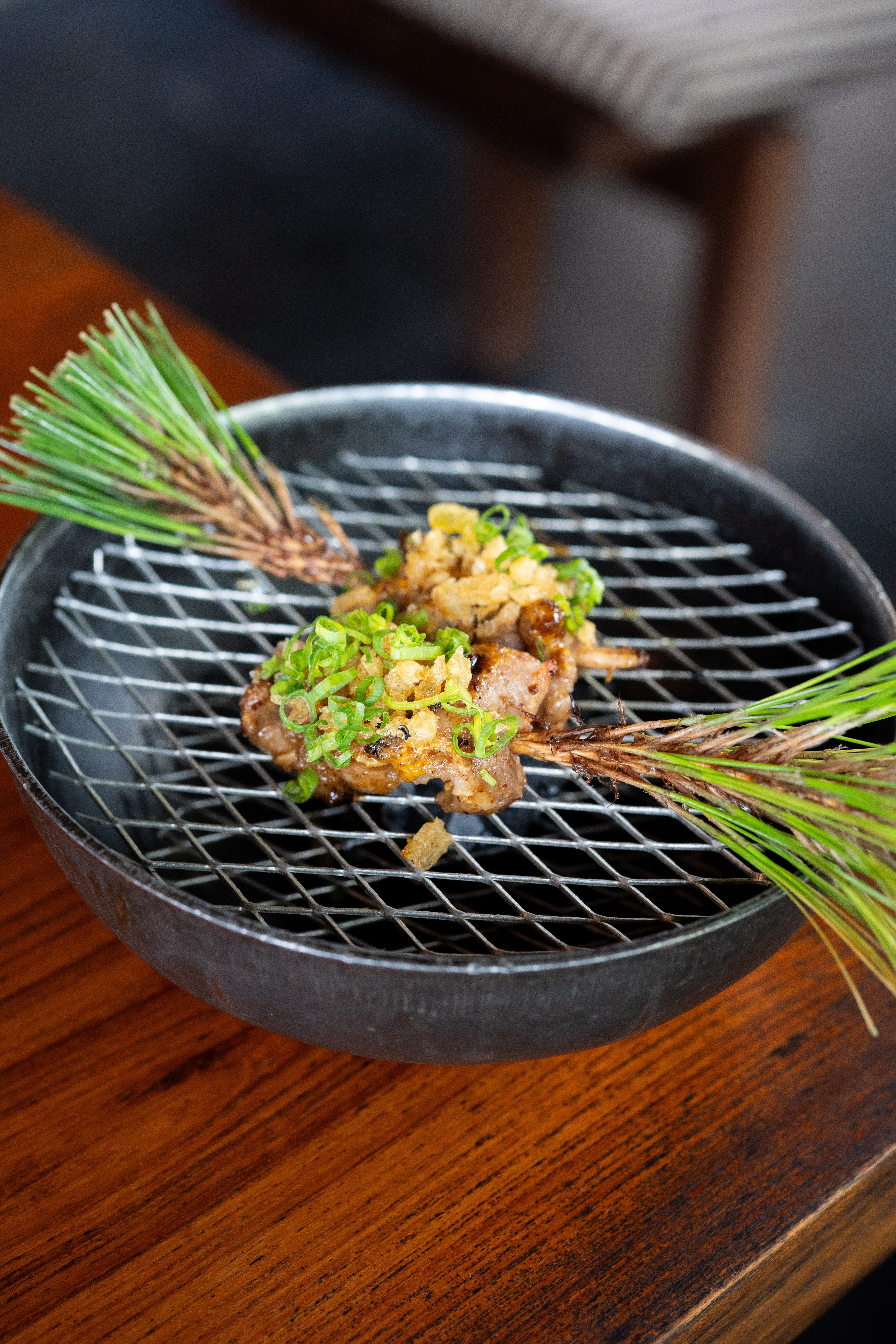
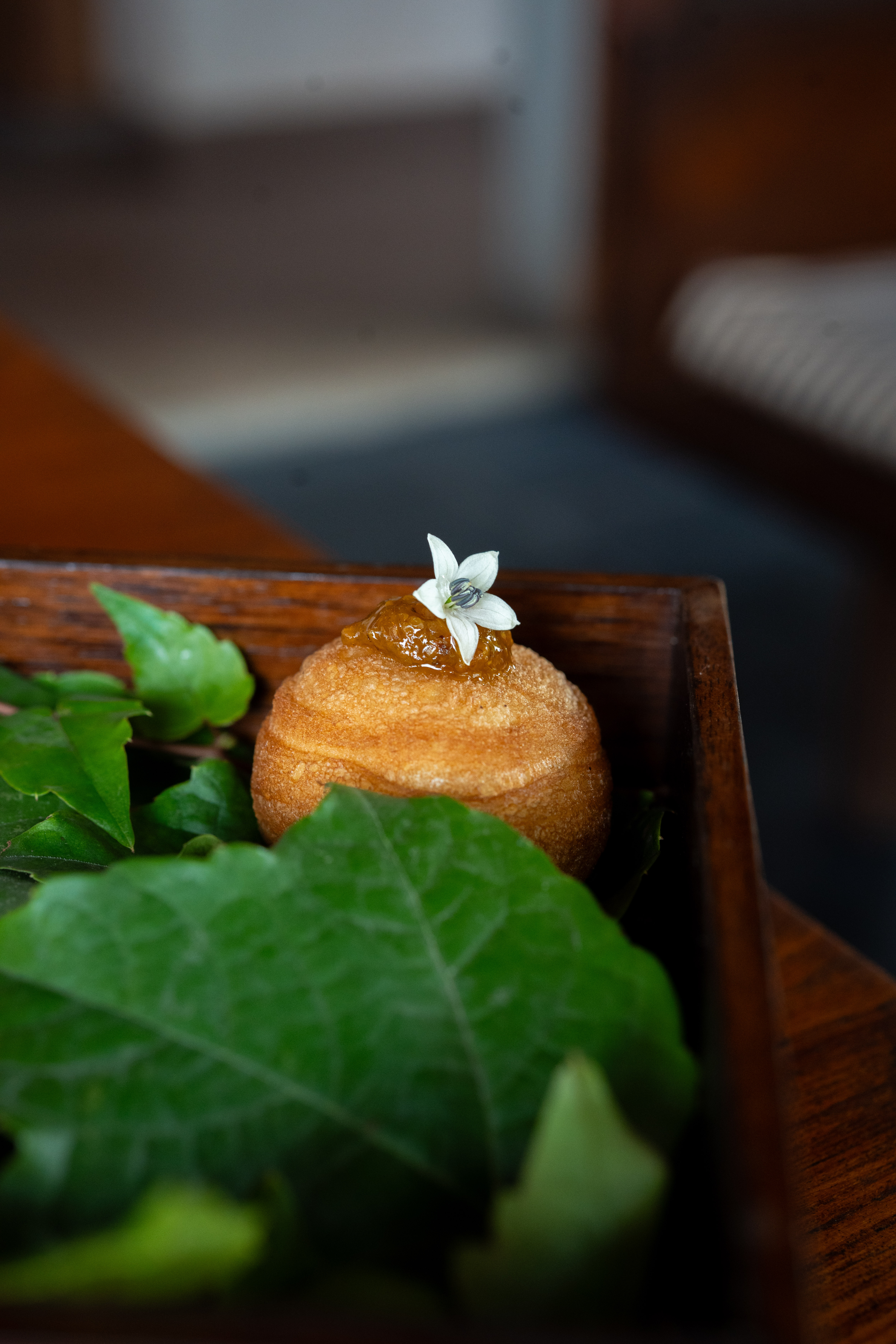
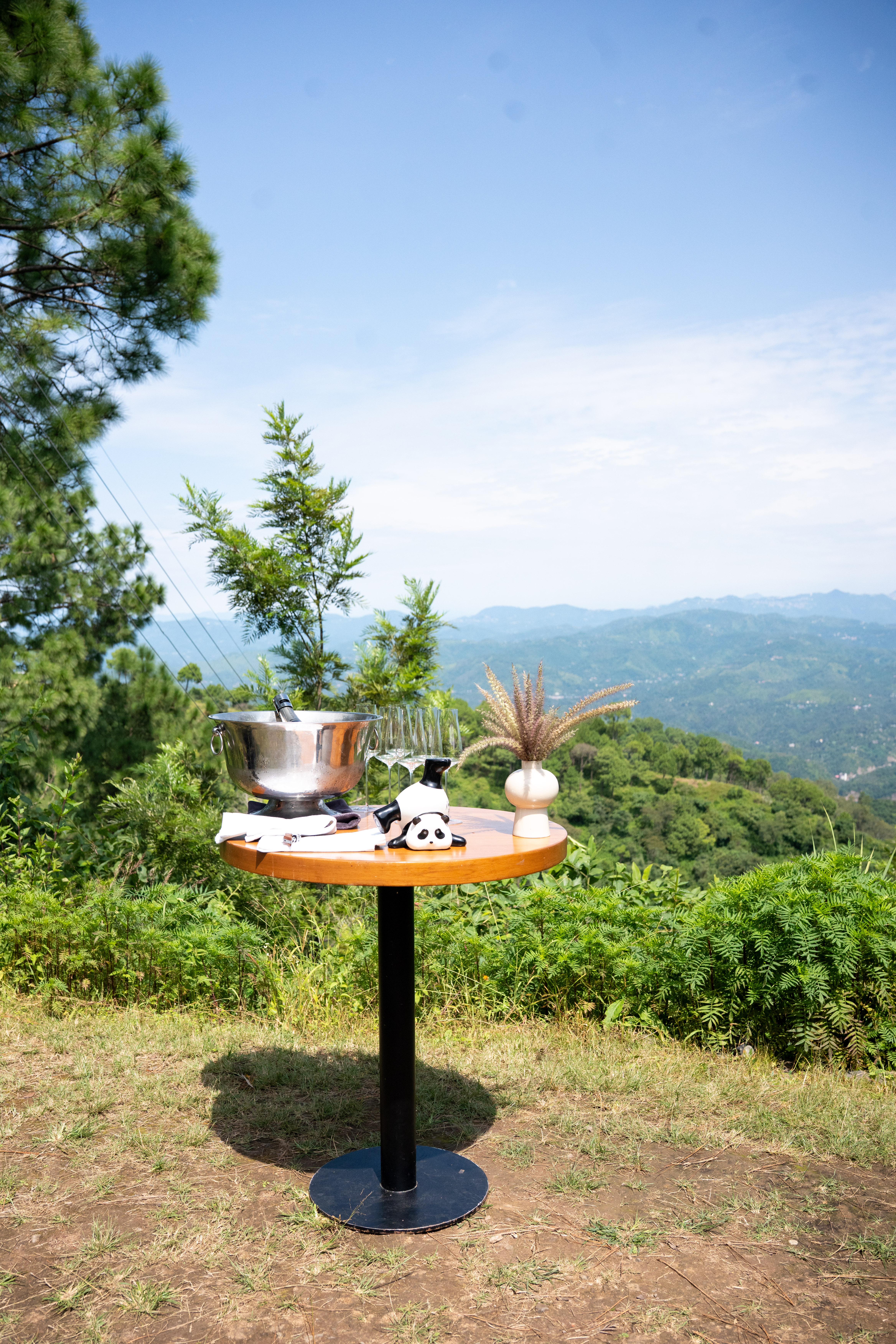
A glass of Billecart-Salmon was poured while we took in the view. I could barely take my eyes off it, although the anticipation of lunch was beginning to win. We made our way to the small lounge, where the first snacks were served: crispy tempura, a cracker with trout belly, yakitori-grilled lamb and a Chinese bun with duck. A first glimpse of the bounty of the mountains, and a very good one.
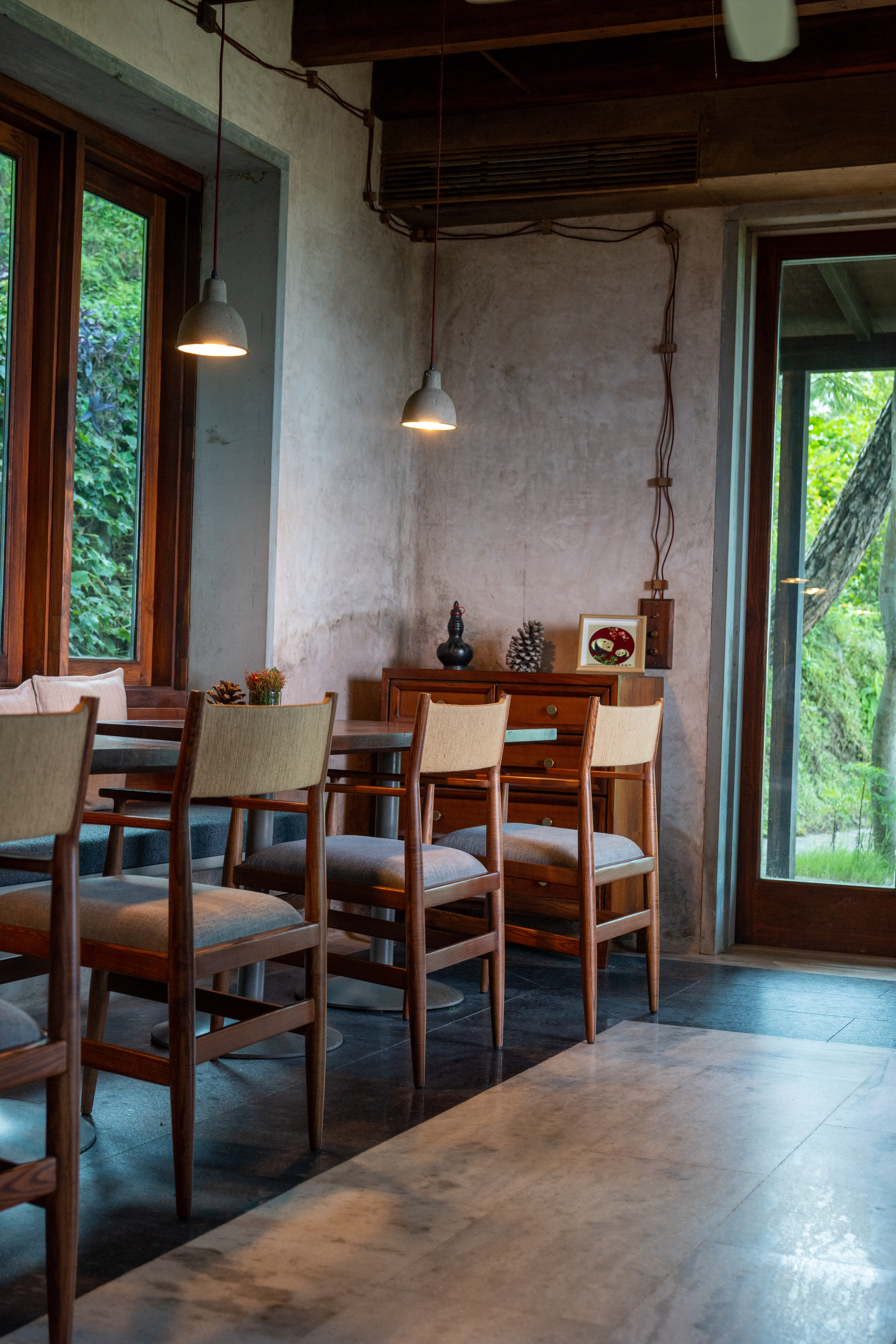
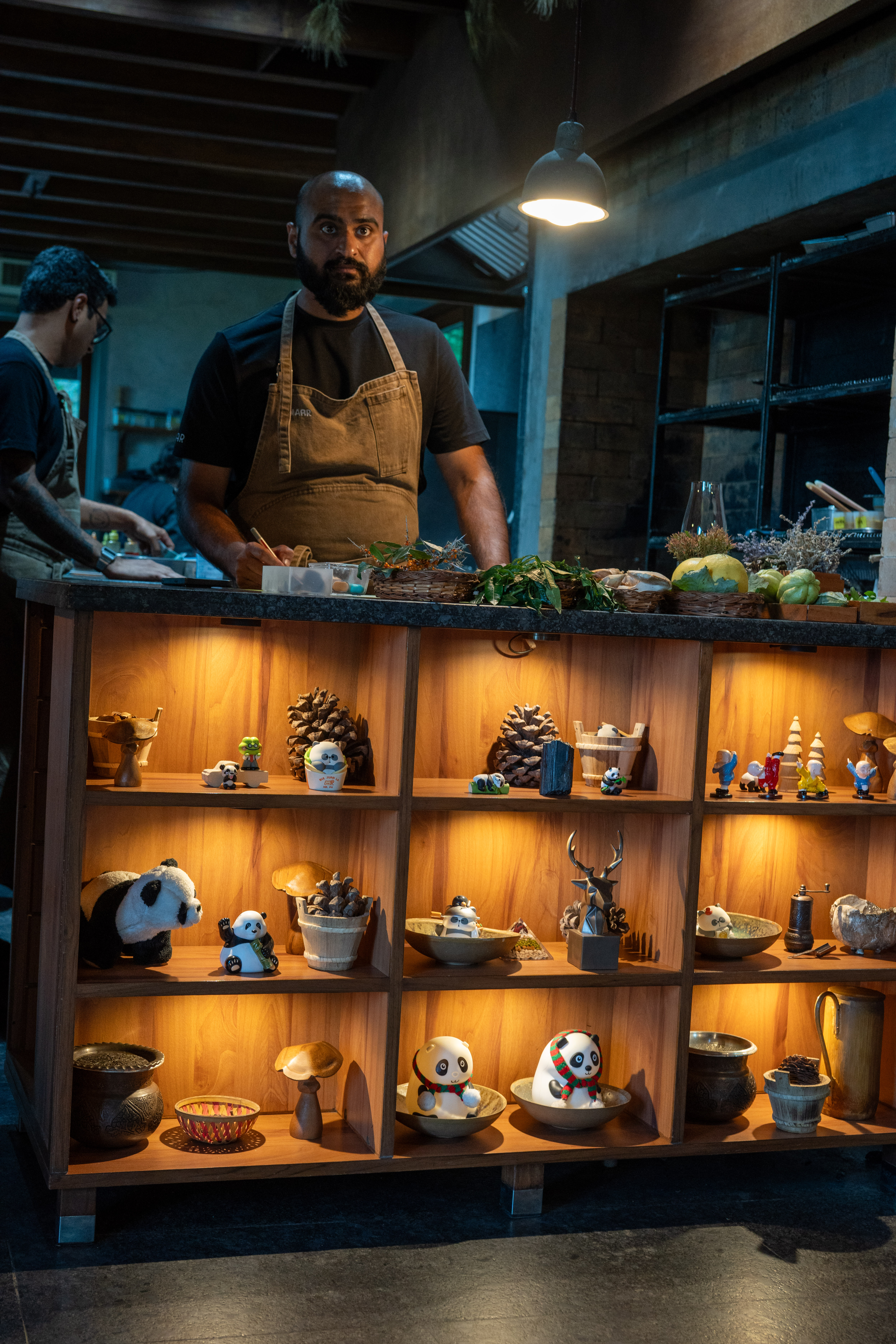
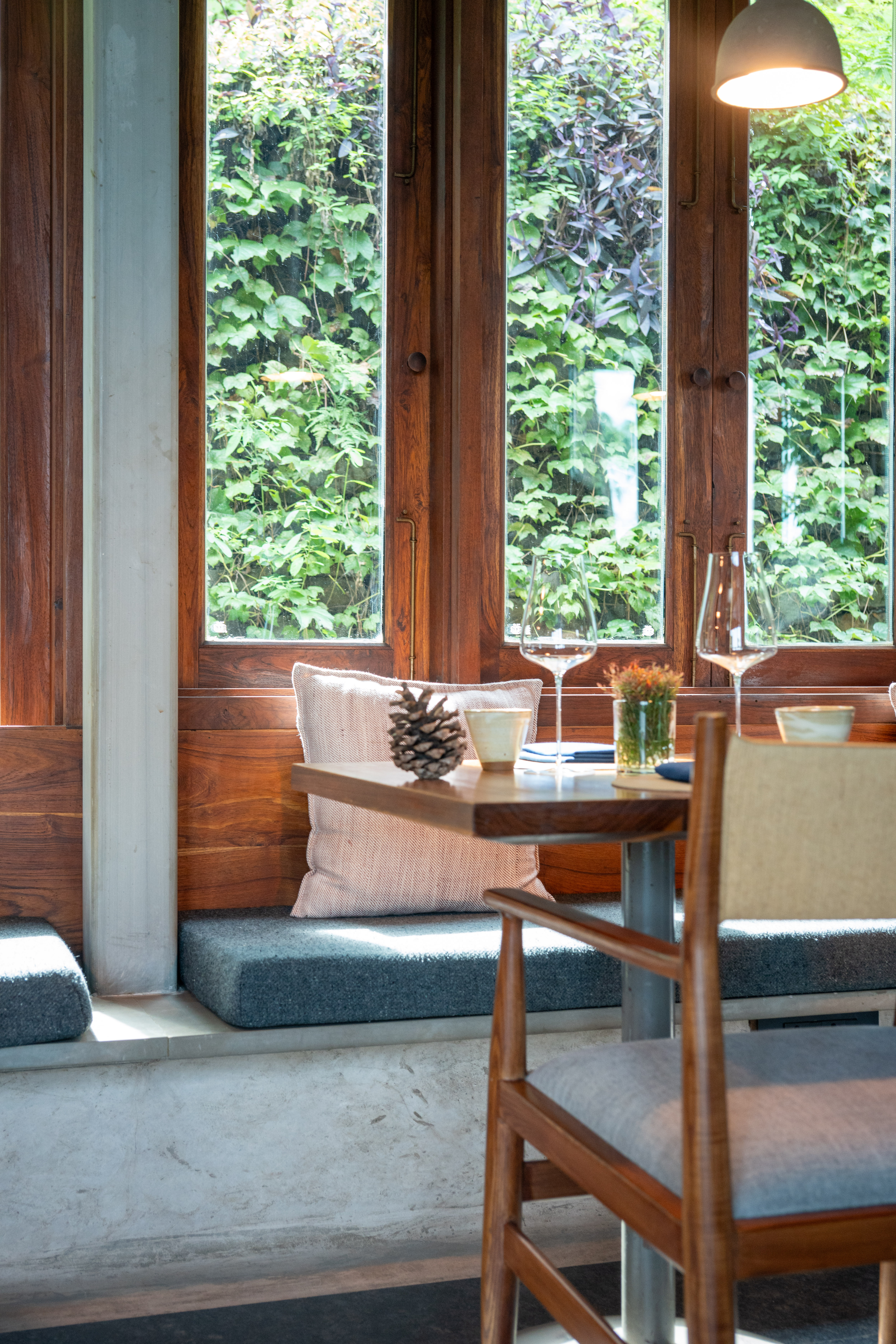
It was then time to move to the dining room. Calling it the main dining room feels slightly excessive, as it is wonderfully small, cosy and full of life. It seats just 16 guests, with an open kitchen almost the same size as the dining room itself. From every seat, you can see the chefs at work.
We were lucky enough to sit by the door. At one point, Prateek came over and opened it, leaving nothing between us and the magnificent view of the valley and mountains. It was one of those small gestures that made the experience feel even more special.
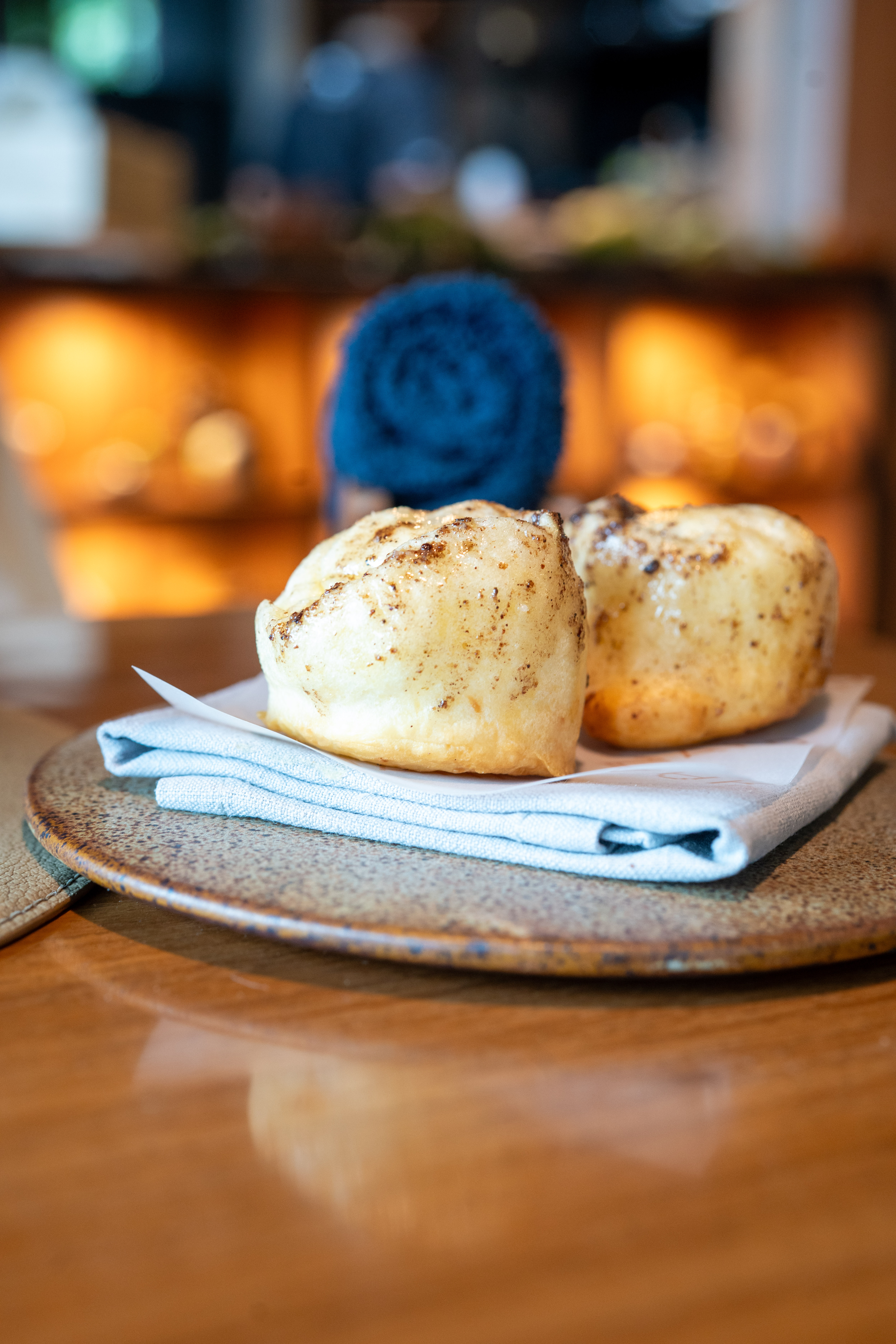
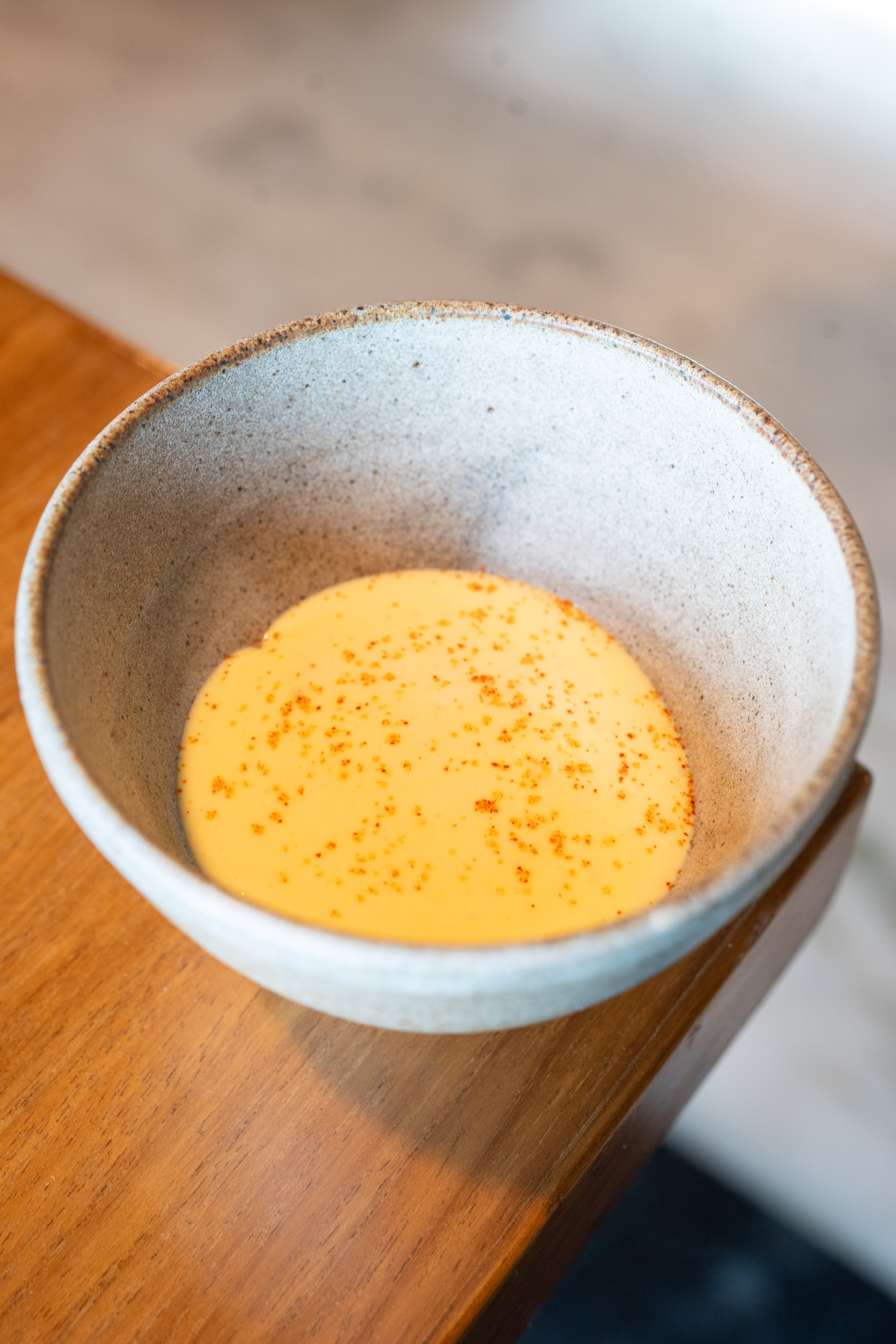
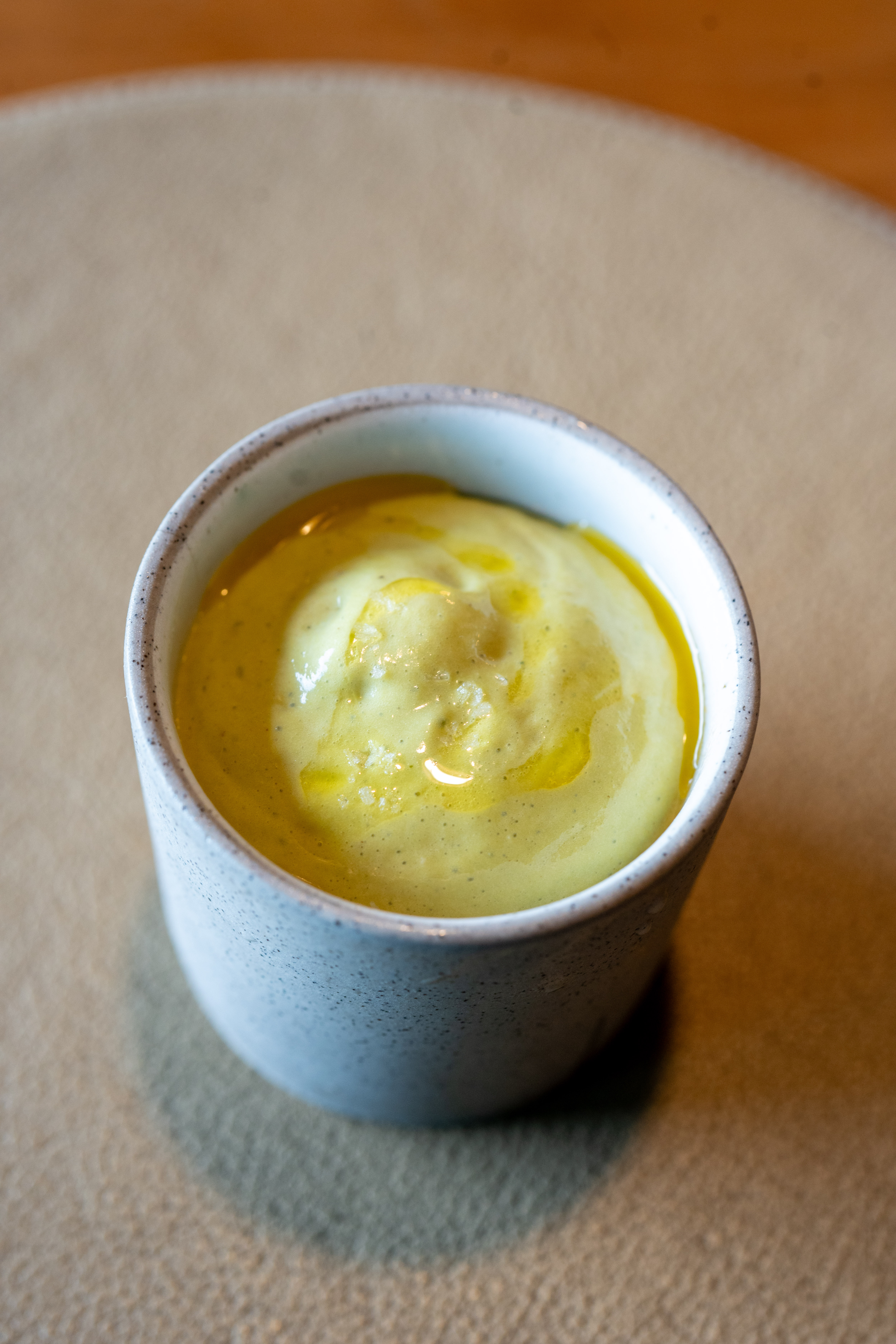
The menu began with a rich corn custard and a small, light and fluffy grilled bread. A delicious start, but one that hardly prepared me for what came next.
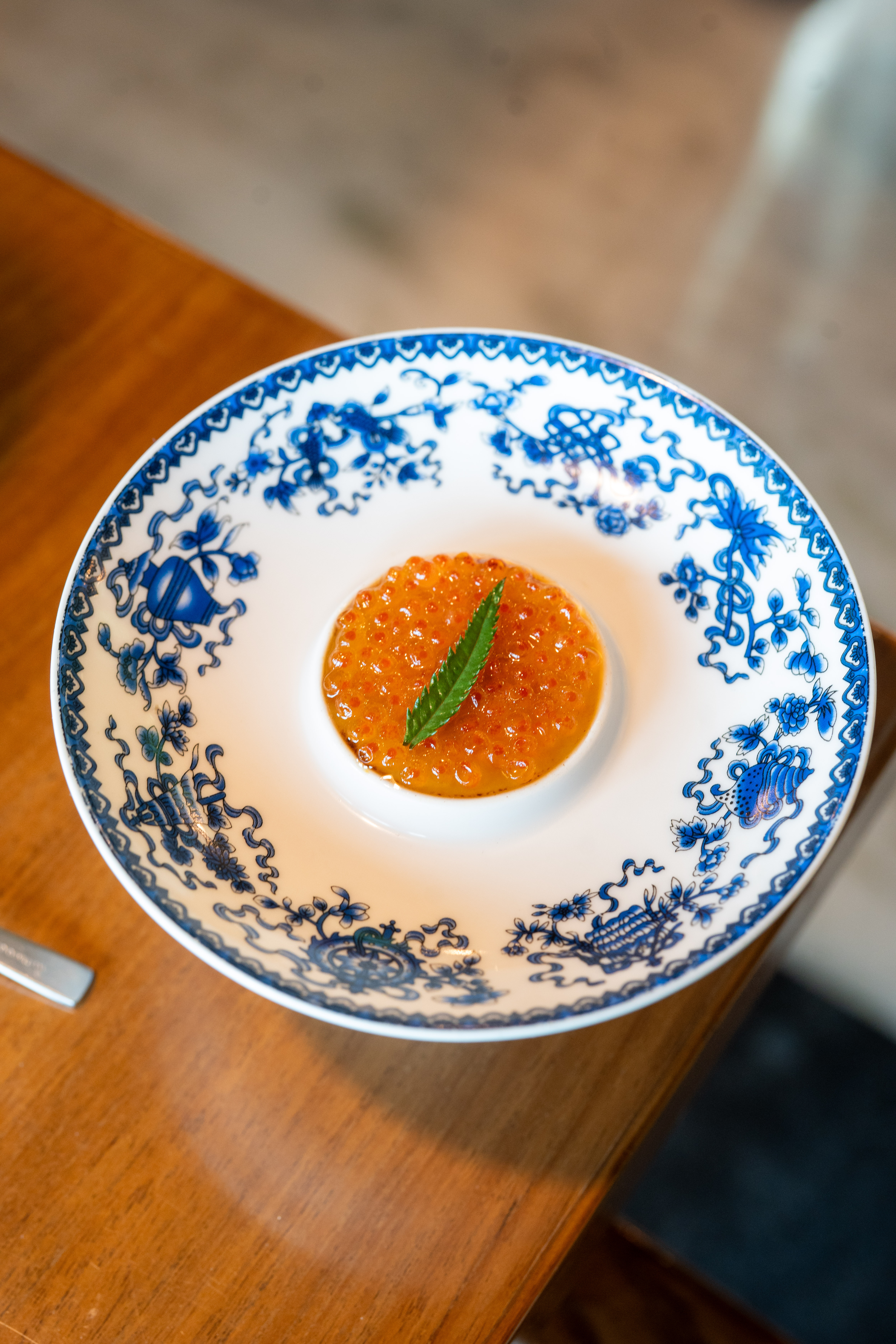
Trout roe, banana custard and honey. Easily one of the best dishes I have eaten this year. The combination of sweet, salty and smoky flavours was extraordinary. What made it even more impressive was the precision. A little more custard and the dish would have been too sweet; a little more trout roe and it would have been too salty. Yet everything was perfectly balanced. A small masterpiece, executed with remarkable confidence.
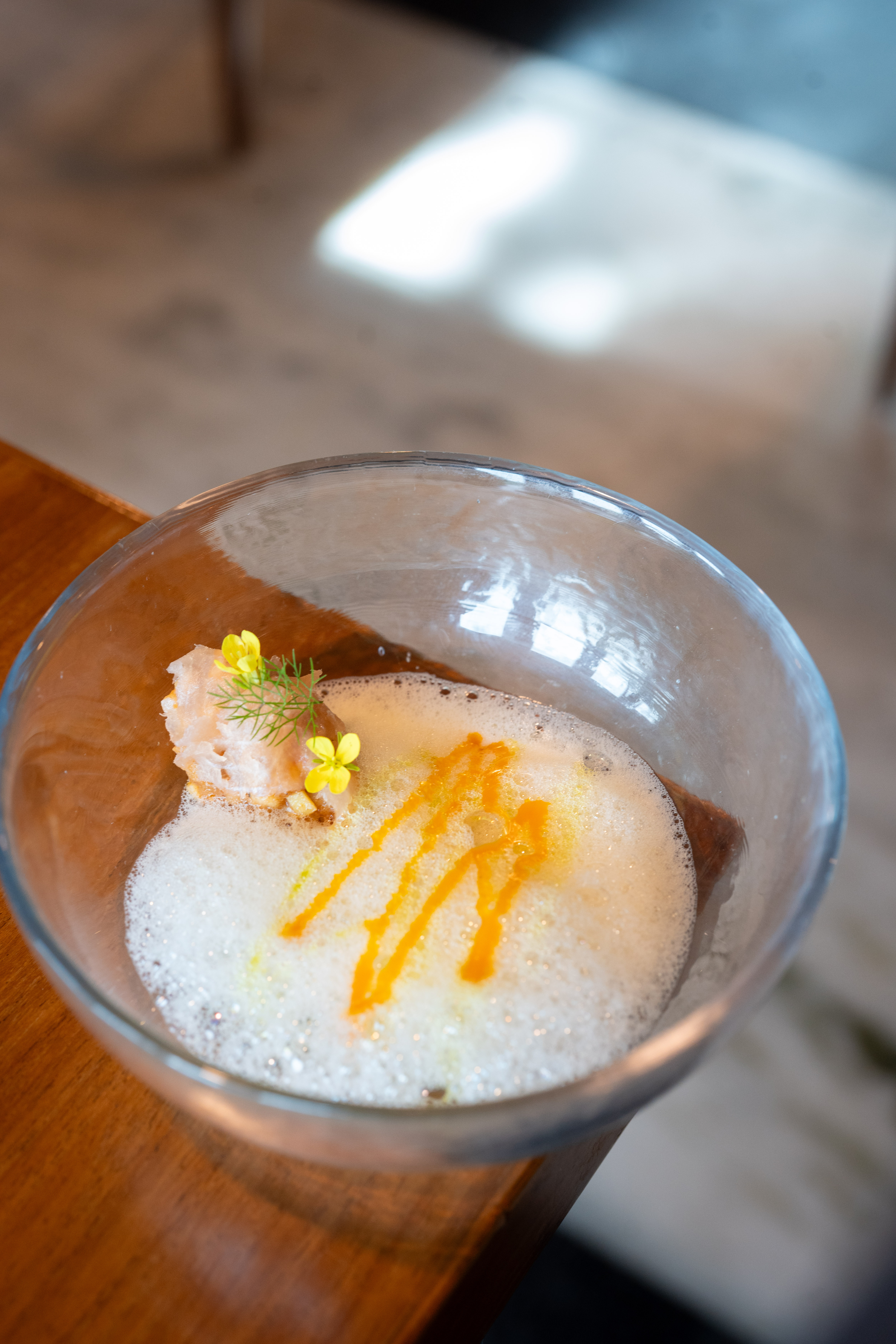
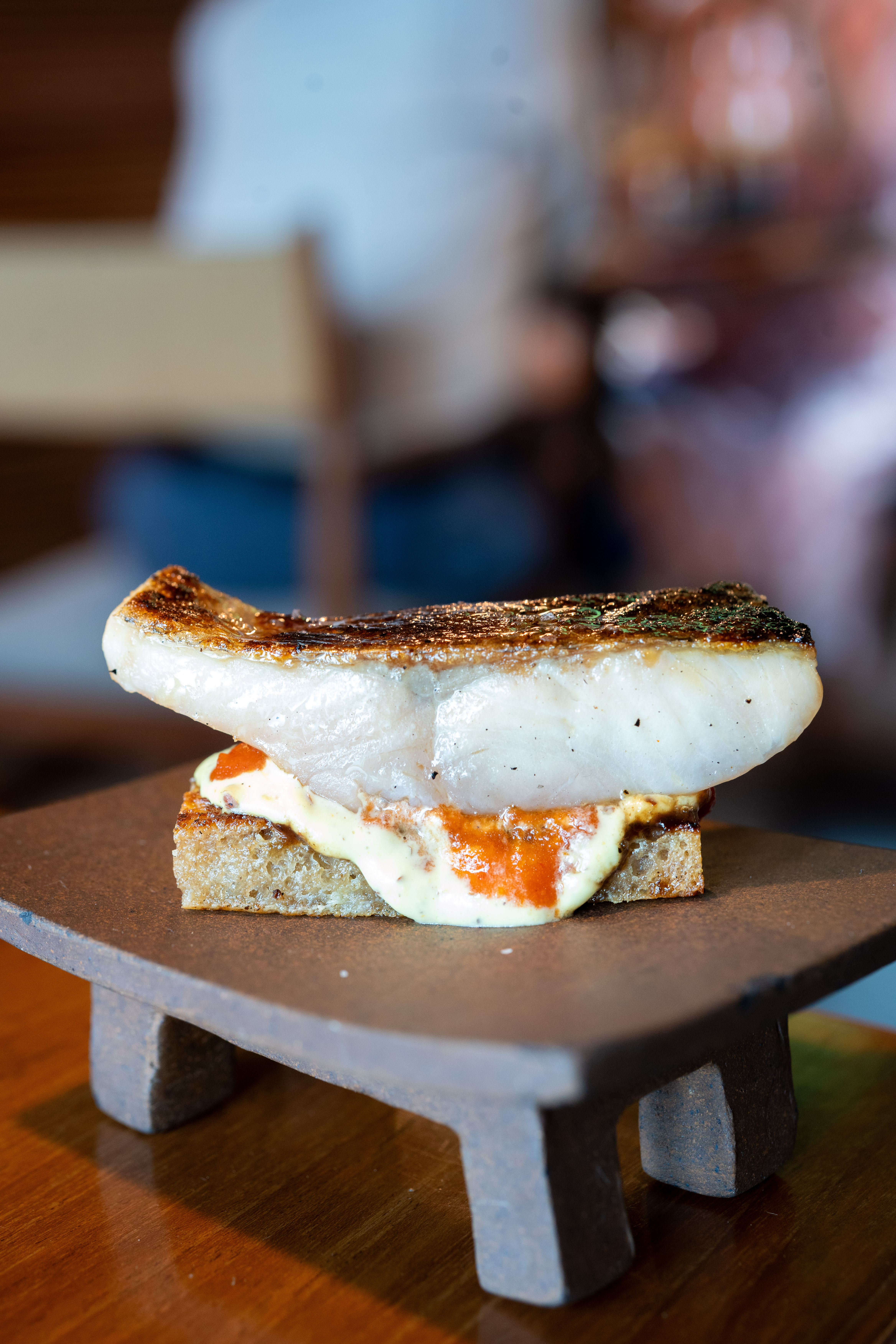
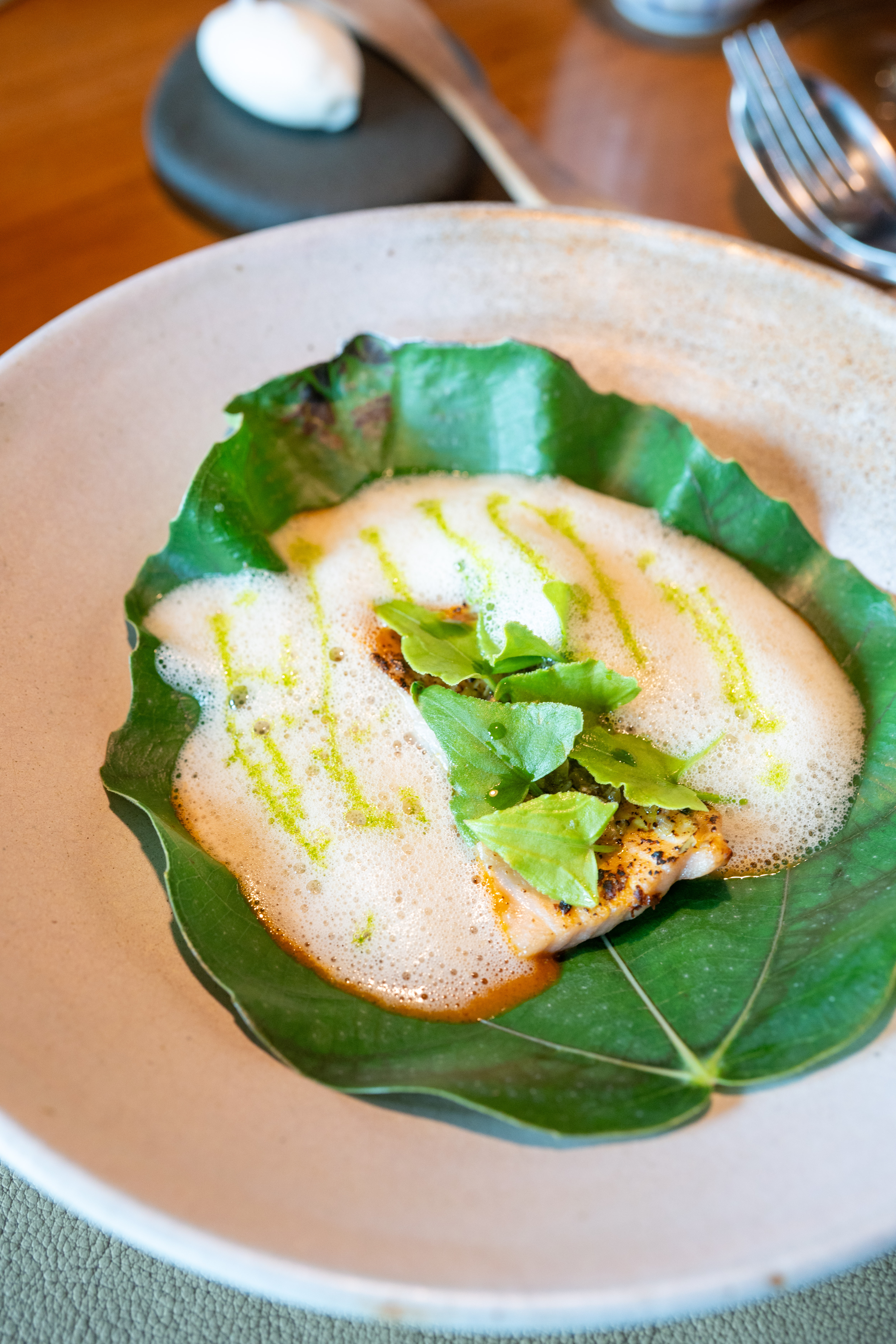
Being more than 1,000 kilometres from the sea, seafood is naturally limited, and mountain trout became one of the recurring ingredients of the menu. But rather than repeating the same preparation, the kitchen showed just how much could be done with it.
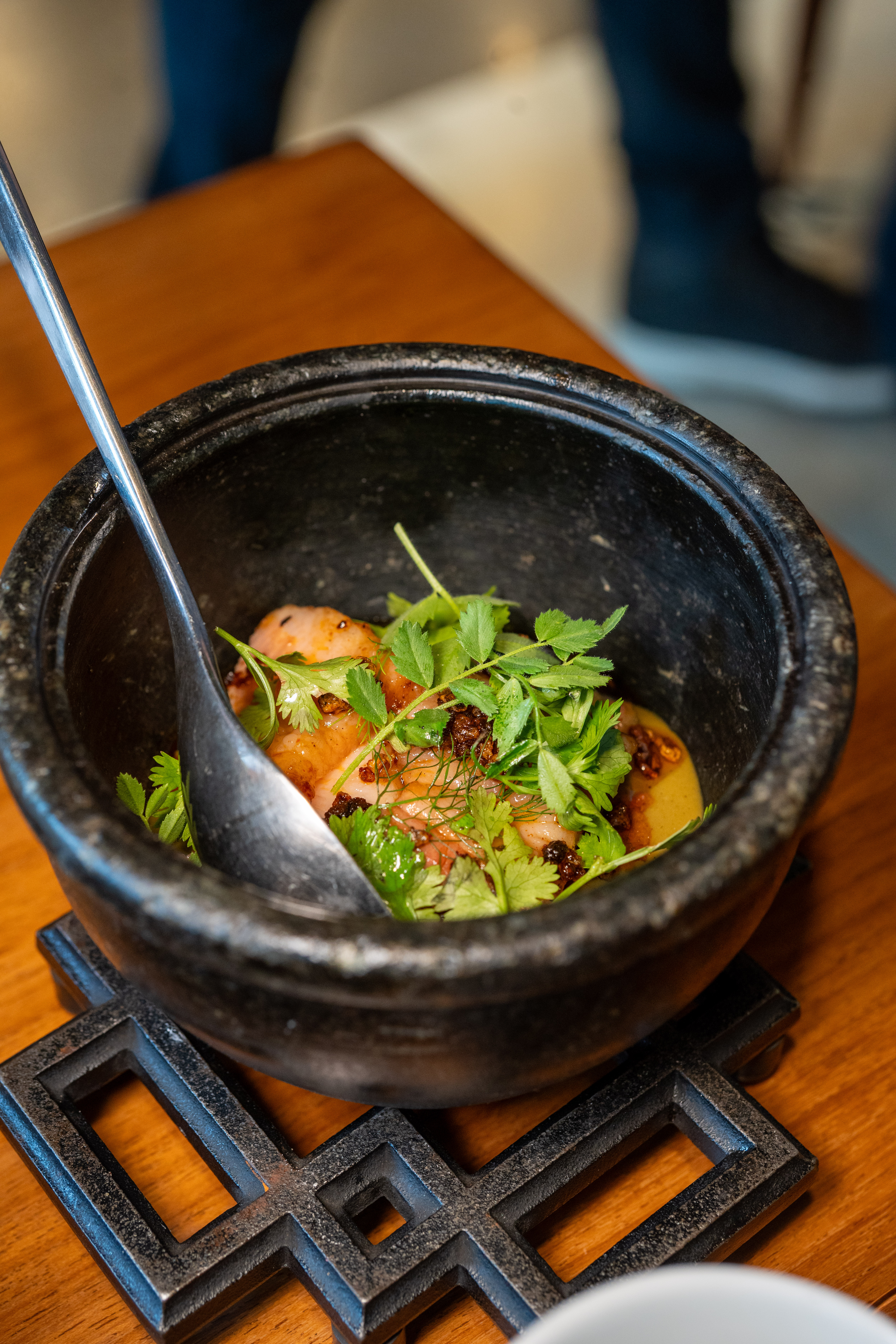
A small trout sausage arrived with an apple and chilli broth, followed by what was simply called dirty toast. And dirty it was. A buttery-fried slice of bread, plenty of mustard and a generous piece of trout. It was impossible to eat without getting your hands messy, but that was part of the charm. The final trout preparation was grilled and served with a light curry sauce, full of acidity.
Three very different dishes, all built around the same ingredient. It was a lovely demonstration of how a kitchen can make the most of what its surroundings provide without ever becoming repetitive.
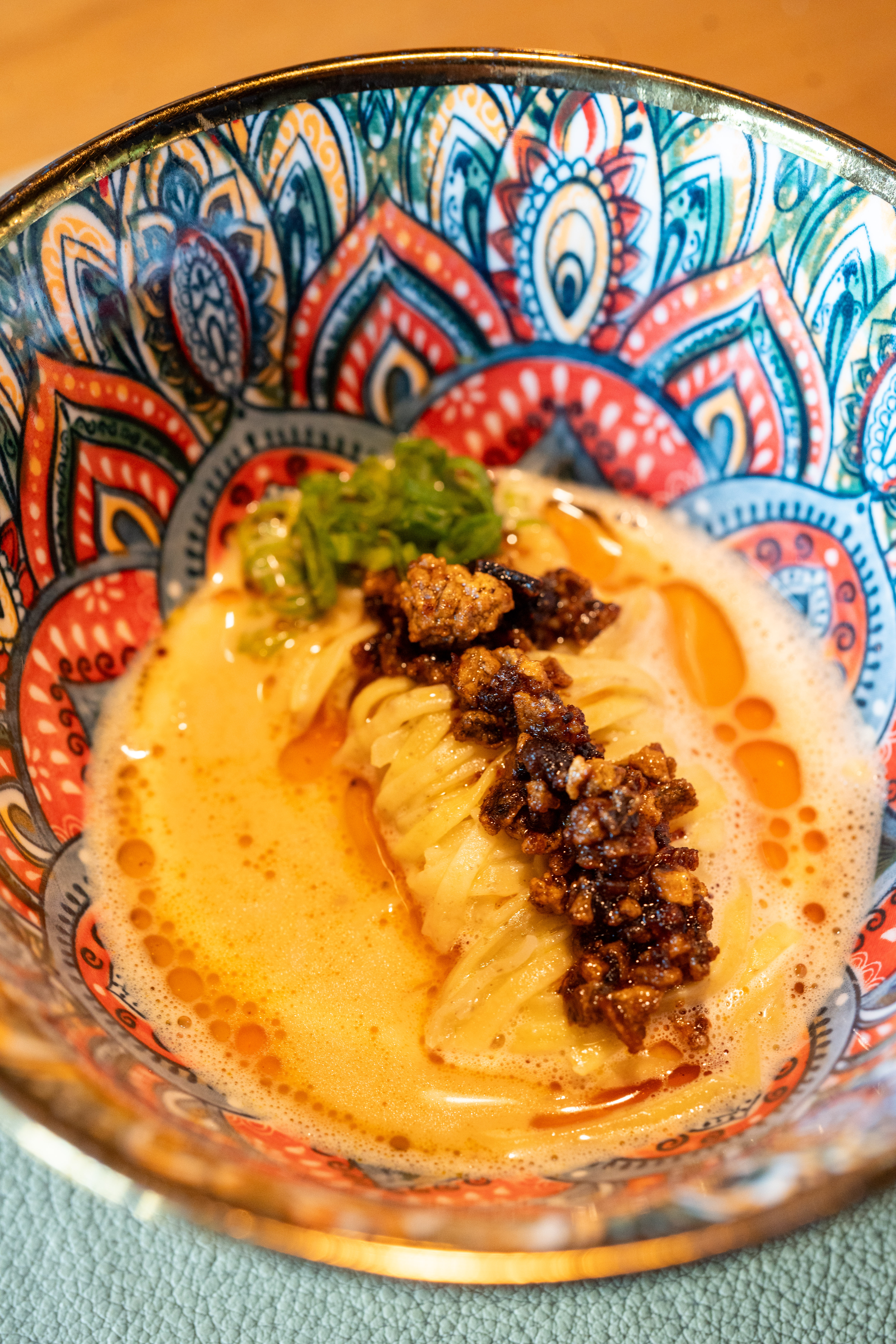
Until this point, the menu had been relatively restrained in terms of spice. That changed with a local breakfast noodle dish carrying a generous amount of smoky chilli. The shift was welcome, adding a different kind of energy to a menu that had otherwise been elegant and refined.
It was now time for something that I never mention in the review. A trip to the bathroom. Naar is, as I mentioned, more of a small compound than a traditional restaurant. So to go to the bathroom you leave the mainbyilding and go around it to a separate bathroom. Forget marble, gold fittings or anything designed to impress in the conventional sense. Instead, you wash your hands while looking out over the valley. Who would have thought that a simple trip to the bathroom would provide a memorable moment.
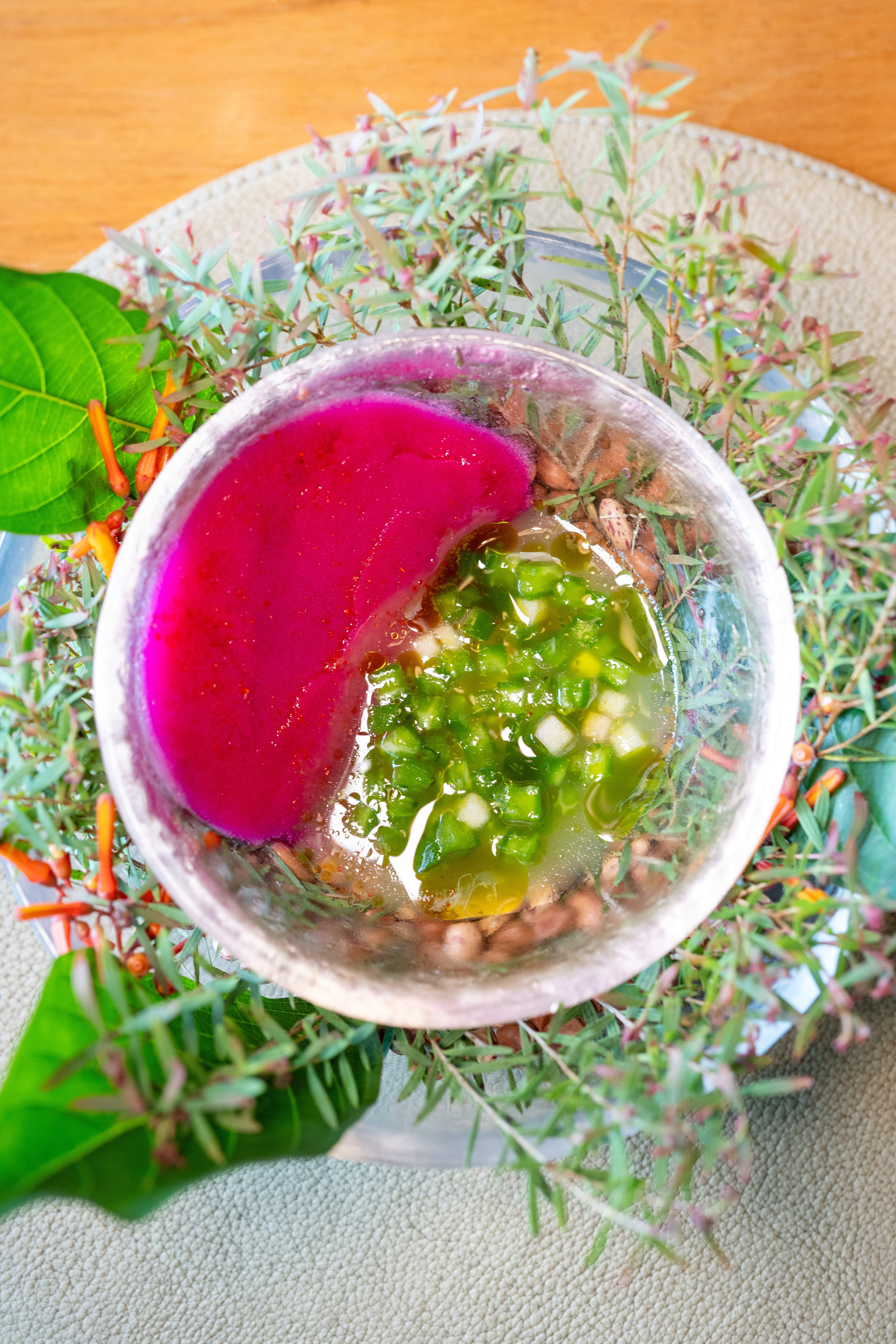
Before the final main course, we were served a small palate cleanser of cactus, prickly pear sorbet and chilli salt. Another unexpected combination, and another reminder that the ingredients here were not necessarily what I had imagined finding in the Himalayas.
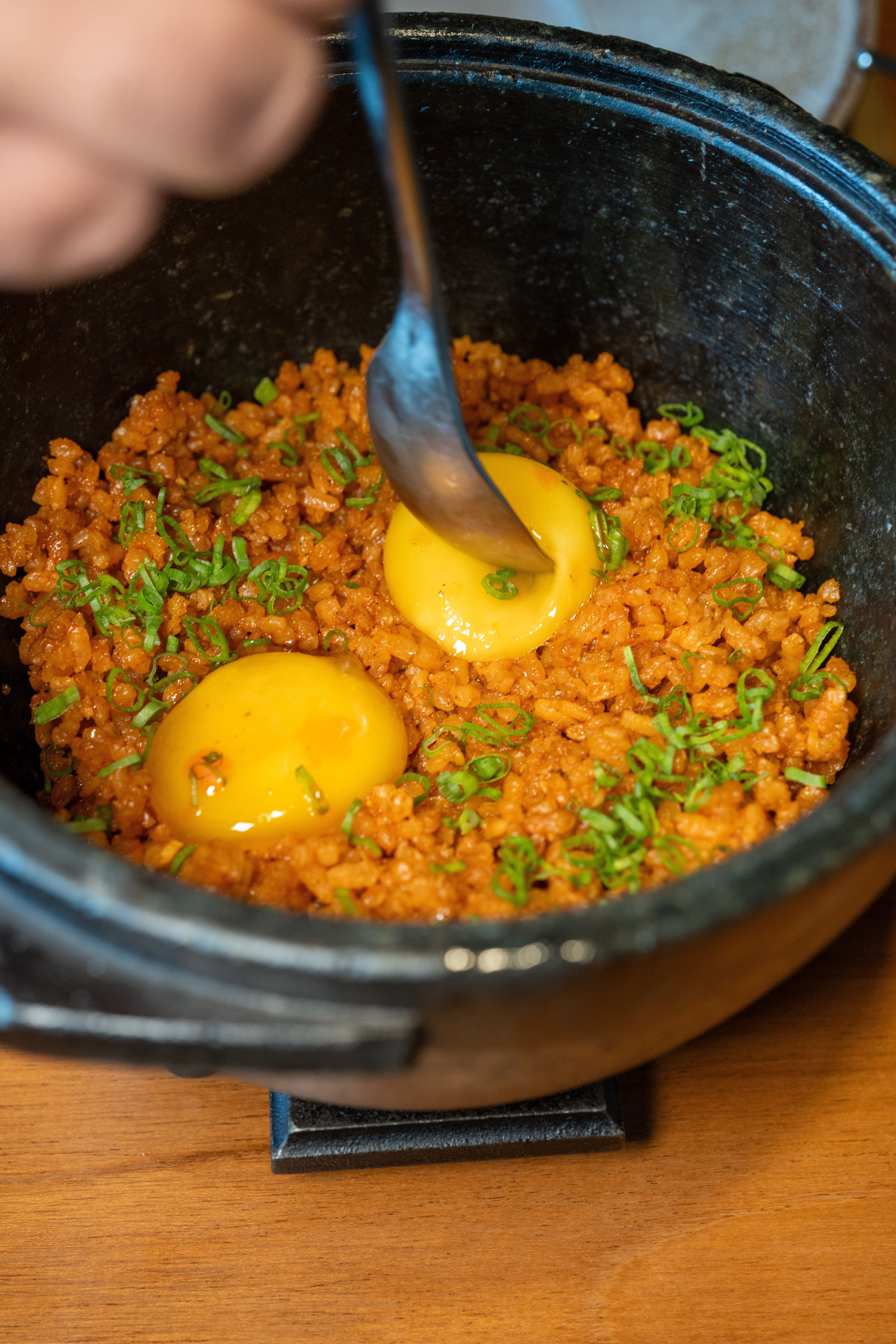
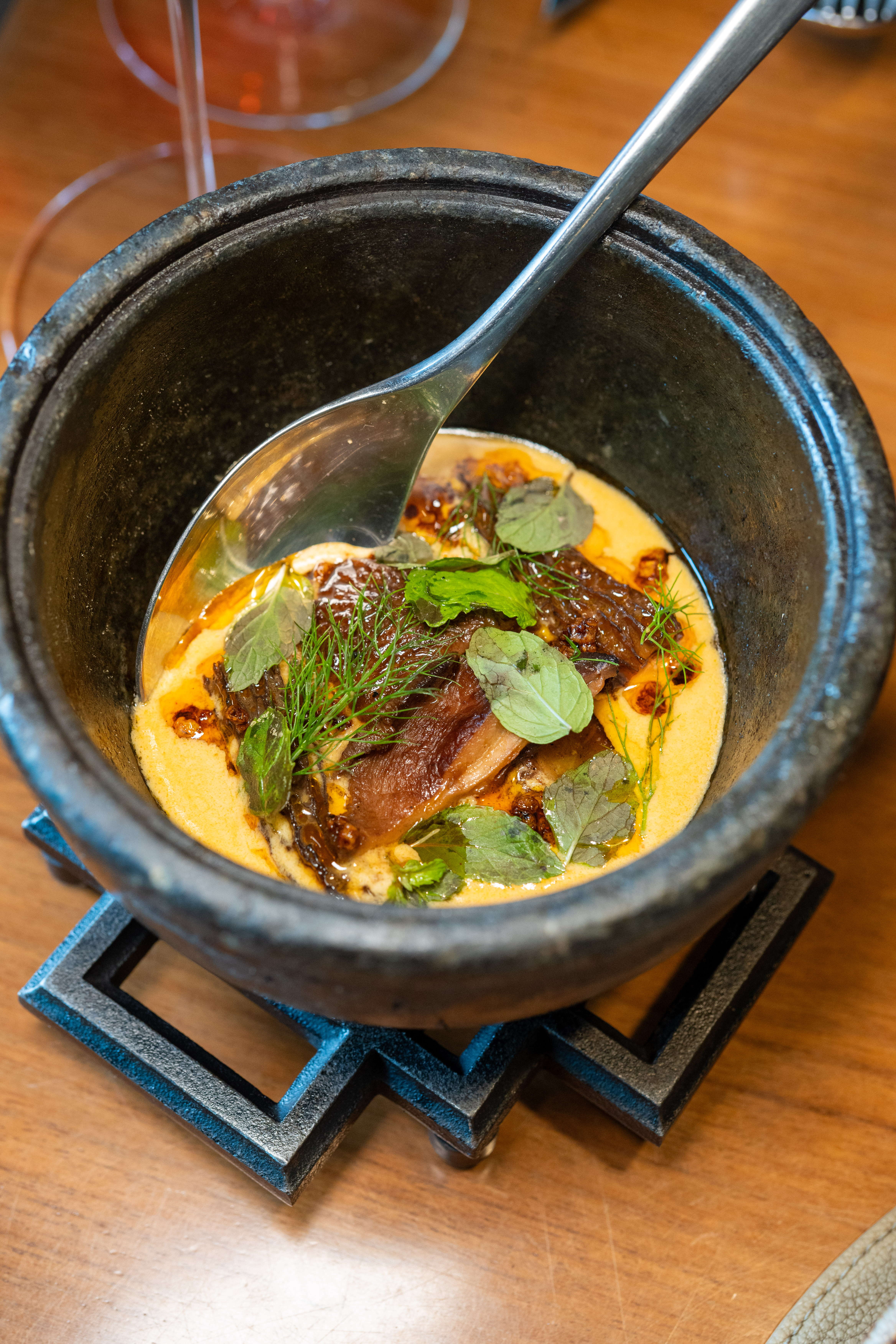
The main course focused on the ingredient I had been looking forward to most: rice.
Basmati originates in the Himalayan region, and there is something particularly fitting about having it prepared by a chef who understands the place it comes from. Served in a generous bowl with an assortment of spicy condiments, it was simple in concept but deeply satisfying. Despite the size of the serving, we finished every last bite.
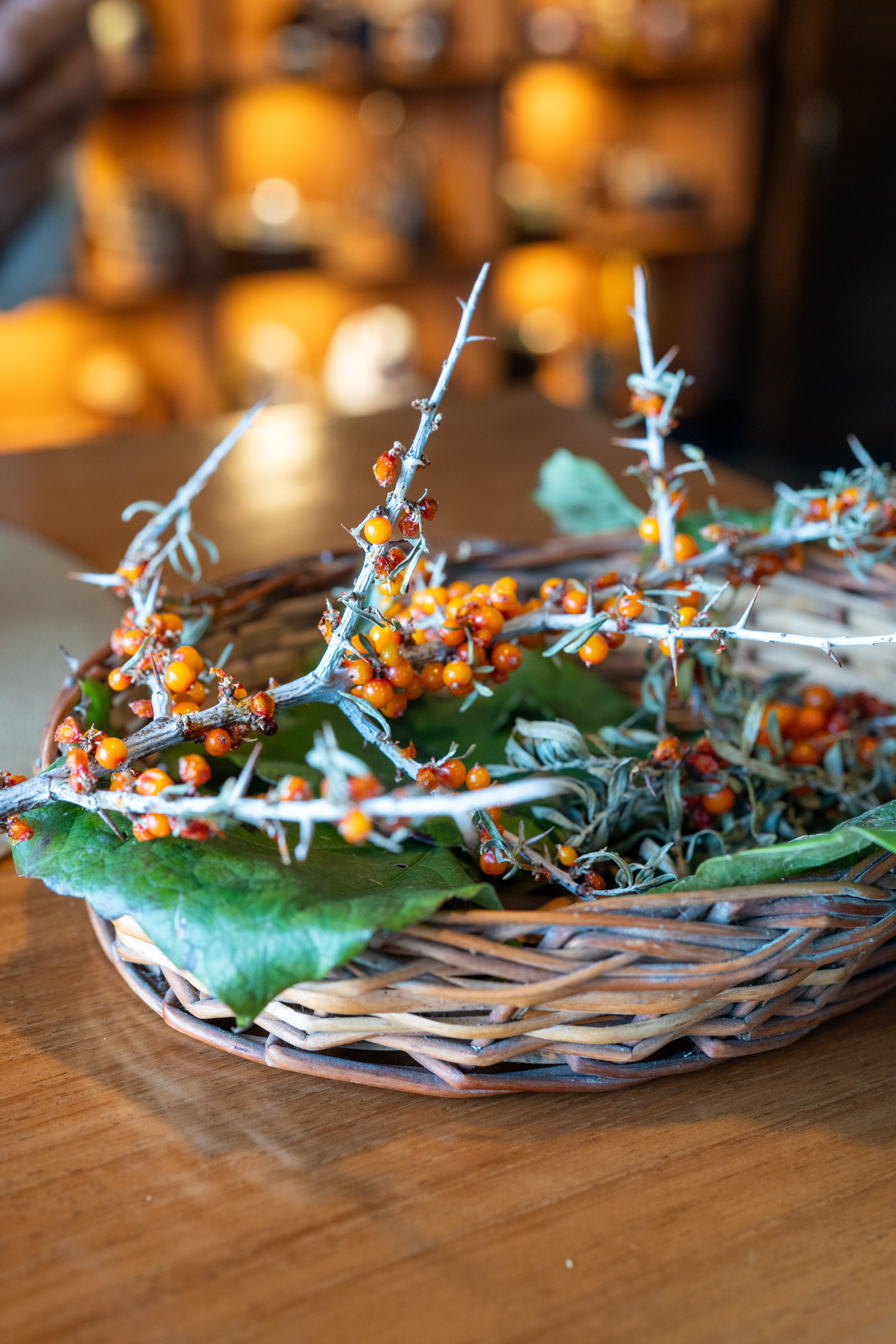
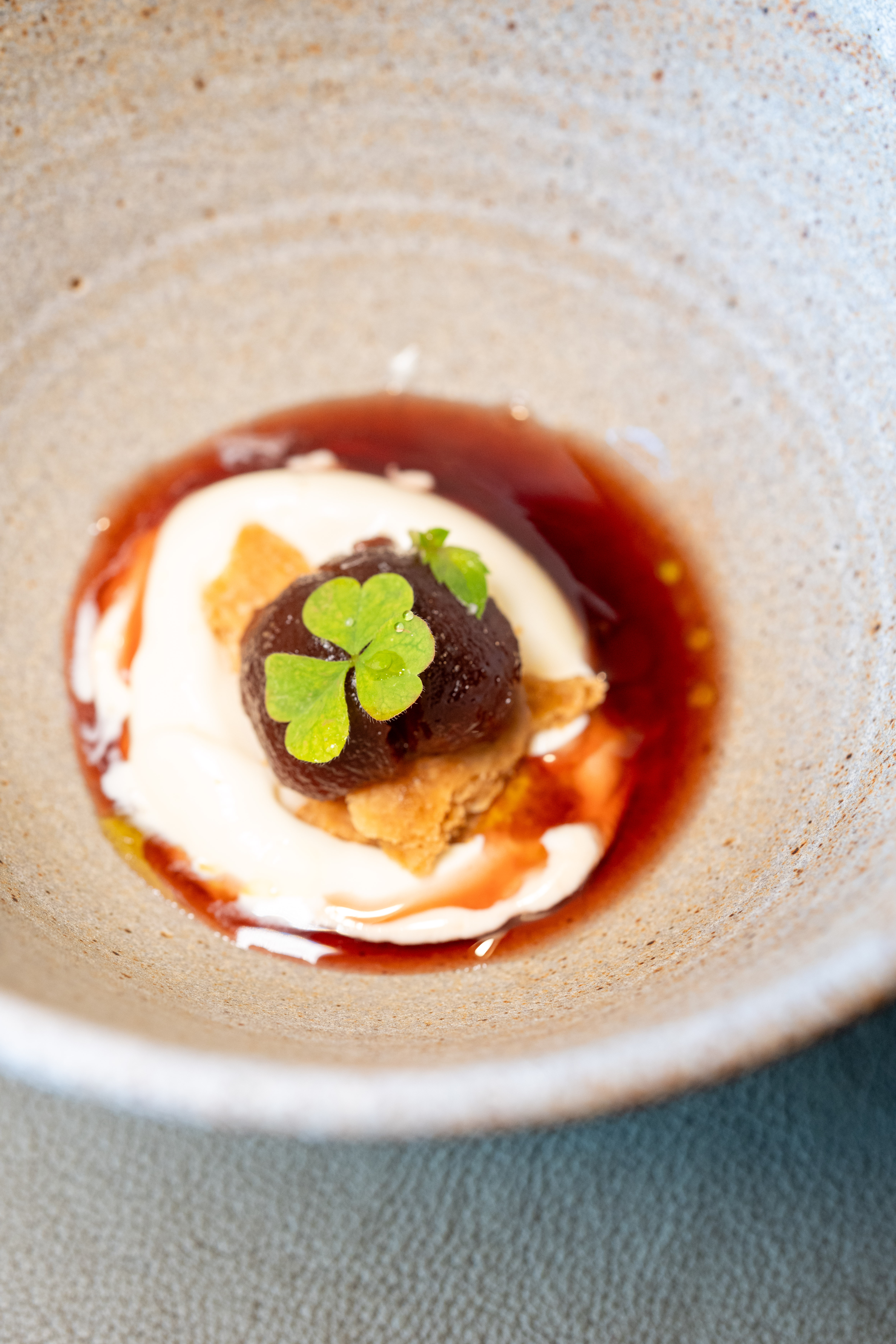
The desserts brought a few more surprises. Sea buckthorn was the first, an ingredient I had always associated with Scandinavia. Finding it here, thousands of kilometres from home, was unexpected enough. But at Naar, familiarity rarely means predictability. Paired with thyme leaf and honeycomb, it took on an entirely different character. The final dessert was a little more classic, with almond and pickled juice, bringing the meal to a gentle close.
It is strange to travel 10,000 kilometres from home only to find ingredients that feel so familiar. Corn, sea buckthorn and rice are hardly exotic to me. Yet here, surrounded by the Himalayas and prepared in ways I could never have imagined, they became part of an entirely unfamiliar experience.
That is what makes Naar so special. It is not simply the landscape, the food or the hospitality. It is the way all of them come together, guided by a very clear vision from Prateek and his team.
Going to Naar is, quite literally, travelling to another world. And for a few hours, I was very happy to be there.


No Comments